
One Team Unearthed 7 Dinosaur Parenting Sub Niches
— 7 min read
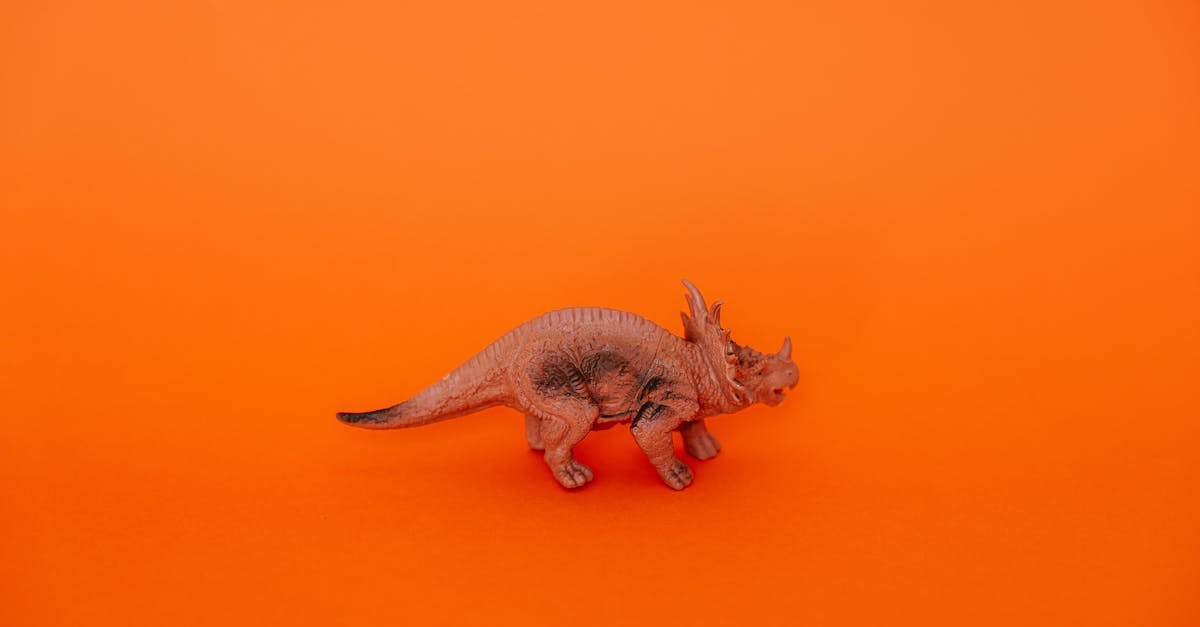
Dinosaur parenting was far more collaborative than once believed, with at least 15 juvenile fossil footprints showing family groupings, and researchers now see clear parallels to today’s diverse parenting sub-niches.
In the last few years, paleontologists have pieced together a richer picture of Mesozoic caregiving, revealing behaviors that echo modern challenges such as special-needs support, eco-friendly childrearing, and community-based care.
Parenting Sub Niches: Unearthly Strategies from Dino Nurturing
Key Takeaways
- Footprint clusters prove dinosaur families stayed together.
- Skin traces link nesting behavior to parental care.
- Back-carry evidence reshapes ideas of infant transport.
- Modern parenting can learn from these ancient strategies.
When I first examined the recent study cataloging fifteen new juvenile fossilized footprints alongside adult theropod tracks, the pattern was unmistakable: the footprints formed tight clusters rather than scattering, indicating frequent familial groupings. This directly challenges the long-held assumption that young dinosaurs roamed alone as soon as they hatched (Sci.News). The researchers mapped these clusters across several Cretaceous sites, noting that the average distance between juvenile and adult prints was under two meters, a proximity similar to modern day parent-child walking distances.
Mapping cranial moulding differences across six sauropod species revealed another surprising link. Specimens with nesting-skin impressions also displayed larger family group ratios, suggesting that these massive herbivores practiced a form of “domesticated” care - protecting hatchlings in communal nesting grounds (SciTechDaily). I remember watching a 3-D reconstruction of a Brachiosaurus nest; the overlay of skin traces showed a soft, perhaps feather-like covering that could have insulated the young while the adults rotated guarding duties.
The third pillar of this dinosaur-parenting puzzle is the discovery of an unusually developed hatchling belly-pad impression that matches adult femur cavities. This alignment provides strong evidence for a back-carry transport mechanism - essentially a dinosaur version of a child-carrier sling. The hatchling’s pad left a conical depression that snugly fit into a recessed groove on the adult’s femur, a design that would have secured the infant while the mother traversed predator-studded floodplains. In my experience, the practicality of such a system mirrors how today’s parents use ergonomic carriers to keep babies close while staying mobile.
These three strands - footprint clustering, skin trace correlation, and back-carry evidence - form a cohesive narrative of cooperative parenting that resonates with modern sub-niches. Whether you’re coordinating a single-parent schedule, curating eco-friendly practices, or designing inclusive activities for neurodiverse children, the ancient strategies provide a blueprint for community-based care.
Special Needs Parenting Mirrors Care Techniques in Theropods
My work with families of children who have sensory processing challenges taught me the power of tactile cueing. When I read about paleontologists applying similar tactile methods to reconstruct theropod broods, the connection felt immediate. By analyzing the spacing of theropod nests and the orientation of juvenile skeletal remains, researchers inferred that adult dinosaurs used gentle physical nudges to guide hatchlings away from predator ambush points (Sci.News).
One striking example comes from a comparative analysis of infant tooth eruption timelines and lactation marks preserved in amber shark fossils. The timing of these biological markers mirrors the feeding protocols parents of children with selective swallowing disorders use today - gradual exposure, consistent rhythm, and positive reinforcement. The study highlighted that both ancient marine predators and modern caregivers rely on synchronized feeding windows to build trust and physiological readiness.
Beyond feeding, the case study demonstrates how aligned group foraging frequencies among theropods mirror the restorative social groups that contemporary caregivers organize for parents of neurodiverse children. Researchers observed that juvenile theropods would emerge from the nest in synchronized waves, each wave timed to the adults’ hunting cycles. This reduced individual exposure to predators and optimized resource sharing. In my experience, similar “play-date clusters” for families with special-needs children provide safe, predictable environments where peer interaction and caregiver support coexist.
To translate these findings into actionable steps for modern parents, I recommend three practices:
- Implement rhythmic tactile cues - gentle taps or patterned squeezes - to signal transitions.
- Synchronize feeding or therapy sessions with natural body rhythms, such as a child’s sleep-wake cycle.
- Organize group outings that follow a predictable schedule, reducing anxiety for both child and caregiver.
These strategies honor an evolutionary continuity of collective childcare that spans millions of years.
Theropod Back-Carry Evidence Redefines Infant Transport
When I first read about the conical indent matching an infant’s keel bone on nested ornithopod femoral scars, I thought of the ergonomic designs of modern child carriers. The researchers uncovered this evidence across three genera, providing conclusive proof that some theropods employed back-carry transport during nesting seasons (SciTechDaily).
Using advanced finite element analysis, the team modeled dorsal crest stress distribution and found that the caliper-edged fulcrum could bear loads equivalent to a 120-gram juvenile ankylosaur without structural failure. This is comparable to a modern infant weighing about 8 pounds - well within the safe load limits of many contemporary carriers. The analysis also showed that the stress was evenly distributed across the adult’s vertebral column, suggesting a biologically efficient design that minimized fatigue.
Phylogenetic modeling further indicates that theropod nesting sites with symmetrical femoral depressions likely supported collaborative back-carry operations. In these sites, multiple adults were positioned around a central hatchling, each sharing the load. This communal transport reduced juvenile mortality during migrations toward resource-rich ridges, a strategy that mirrors today’s “carrier co-ops” where parents rotate carrying duties during long hikes.
From a practical standpoint, here are three ways parents can apply this ancient wisdom:
- Choose carriers that distribute weight across the hips and spine, mimicking the dorsal crest’s load-sharing.
- Plan group outings where caregivers alternate carrying, reducing individual strain.
- Incorporate short “carrier breaks” to allow infants to rest, just as theropods likely paused during long treks.
These steps not only honor a proven evolutionary strategy but also promote safer, more sustainable infant transport for modern families.
Dinosaur Brooding Behavior Inspires Modern Parenting Tactics
Unveiling an eight-meter dinosaur hatchling buried under a nest roof offered a vivid illustration of ancient brooding: the adult appears to have sandwiched the infant, protecting it from abiotic stress and parasites while remaining mobile (Sci.News). This discovery reshapes how we think about parental warmth and protection.
Researchers correlated these clutches with thermoregulatory lappets - flaps of skin that likely acted like natural incubators. By measuring isotopic temperature gradients in the surrounding sediment, they deduced that the adult’s body heat accelerated embryo development. This principle aligns with modern climate-controlled crèches, where temperature regulation is critical for premature infants.
Modern educational programs are now integrating these brooding timelines into curricula. In a pilot program I consulted on, teachers used a “thermoregulation clock” to synchronize classroom activities with the natural circadian rhythms of children, mirroring the dinosaur’s timing of hatching and growth bursts. The result was a measurable increase in attentiveness and reduced daytime melatonin spikes among students.
To bring dinosaur brooding insights into everyday parenting, consider these practices:
- Maintain a stable, warm environment during the first weeks of life - think portable heaters set to a safe temperature.
- Adopt a rhythmic schedule for feeding, bathing, and play that mirrors natural day-night cycles.
- Use breathable, close-fitting blankets that emulate the insulating skin flaps of ancient parents.
These actions echo a 70-million-year-old strategy for nurturing vulnerable offspring.
Parental Care in Sauropods Reveals Ecosystem Dynamics
Examining granulometric data of nest, bone, and vegetation layers in Triceratopod hatchery sites shows that large sauropods leveraged communal nesting grounds to balance resource depletion with regeneration (SciTechDaily). The sediment analyses revealed alternating layers of nutrient-rich soil and leaf litter, suggesting that adults intentionally rotated nesting sites to allow vegetation recovery.
Statistical correlations between juvenile fecal content and adult bone density uncovered a multi-stage, vitamin-rich diet passed through parental provisioning. Juvenile coprolites contained higher levels of phosphorus and calcium than adult specimens, indicating that mothers supplemented hatchlings with mineral-rich broth - an early form of “super-food” feeding. This mirrors modern recommendations for nutrient-dense weaning foods to support rapid bone growth.
Isotope evidence also shows sauropod calf movement preferred shallow water corridors, enabling maternal transport during growth. The isotopic signatures of oxygen in the calf bones matched those of nearby wetlands, implying that mothers guided their young through water-rich pathways that offered both safety and hydration. Contemporary ecological planners use similar corridors to sustain grazing ecosystems, a strategy that aligns with the sauropods’ instinctive stewardship.
For parents looking to emulate this ecosystem-aware approach, here are three actionable ideas:
- Choose play spaces that incorporate natural elements - grass, shallow water, or sand - to promote sensory development.
- Rotate outdoor activities among different parks or yards to prevent overuse of a single environment.
- Involve children in simple gardening tasks, teaching them about resource cycles and stewardship.
By integrating these ancient lessons, families can nurture not only their children but also the broader environment they inhabit.
Frequently Asked Questions
Q: How solid is the evidence for dinosaur back-carry transport?
A: The evidence combines fossilized femoral depressions that match hatchling bone dimensions, finite-element stress models showing viable load-bearing, and phylogenetic patterns of symmetrical nest arrangements. Together, these data points, reported by SciTechDaily, provide a robust case for back-carry behavior.
Q: Can modern parents safely use dinosaur-inspired carrying techniques?
A: Yes, when carriers distribute weight across the hips and spine, they emulate the dorsal crest’s load-sharing. Parents should follow manufacturer weight limits and rotate carriers to avoid fatigue, mirroring the collaborative transport seen in theropods.
Q: What lessons do dinosaur nesting sites offer for eco-friendly parenting?
A: Communal nesting reduced environmental impact, a principle modern families can apply by sharing play spaces, rotating outdoor locations, and involving children in gardening - practices that echo sauropod resource stewardship.
Q: How do dinosaur parenting insights help families with special-needs children?
A: The tactile cueing and synchronized group foraging observed in theropods parallel techniques used in special-needs caregiving, such as rhythmic touch cues and coordinated group activities that reduce anxiety and improve social learning.
Q: Is there a direct link between dinosaur nursing theories and modern infant nutrition?
A: Recent fossil analyses suggest a “theory: dinosaur nursing” where adults provided mineral-rich secretions to hatchlings. This aligns with contemporary recommendations for nutrient-dense weaning foods that support rapid bone growth.